
Small Tasmanian Farms Need Proportionate Rules Under New Horticulture Standard
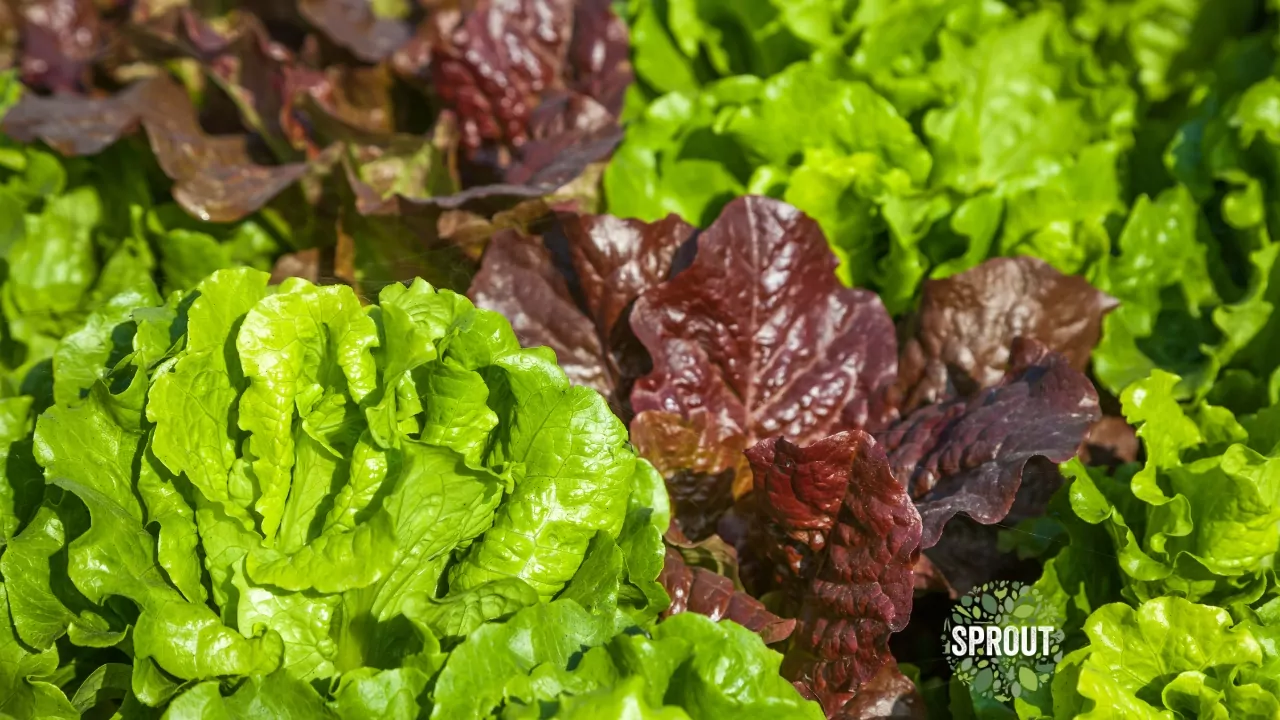
Sprout Tasmania is calling on the Tasmanian Government to implement fair horticulture rules for small farms with a genuinely risk-based and proportionate approach to the new national horticulture standard, warning that poorly targeted regulation could place unnecessary burden on the state’s smallest producers—those least associated with food-borne illness outbreaks.
Biosecurity Tasmania has released its draft implementation model for the new Primary Production and Processing Standard for horticulture (Standard 4.2.8). After initially proposing a flat, uniform regulatory approach, the regulator has now stated it plans to introduce tiered requirements for ‘small’ producers—but details, including the definition of “small”, remain unclear.
Sprout Tasmania is urging the Tasmanian Government to ensure this tiering protects the viability of the small, community-serving farms that underpin the state’s local food system.
Outbreaks driving national reform did not come from small Tasmanian growers
FSANZ’s own technical review found that food-borne illness outbreaks prompting the new standard (2011–2019) came from:
- Large industrial salad-processing operations on the mainland supplying national supermarket chains.
- High-volume rockmelon operations with centralised packing sheds and sanitation failures.
- Imported frozen berries and pomegranate arils linked to complex multi-country supply chains.
FSANZ explicitly acknowledged that outbreak investigations could not distinguish risks between production systems, and that small, direct-to-consumer farms were not identified as contributing to these incidents.
Sprout Tasmania CEO, Jen Robinson, said:
“Tasmania’s small-scale growers are not the source of the problems this new standard is trying to fix. Yet they will carry the cost unless the state adopts a fair, evidence-based approach.”
“Tiering is welcome in principle, but only if it is fair and proportionate. The smallest farms—particularly those under 2 hectares—should face minimal regulatory burden, reflective of their low-risk, short, and transparent supply chains.”
Why farms under two hectares should be subject to minimal requirements
Sprout Tasmania is calling for a minimal-requirement category for growers with under 2 ha in production, for several reasons:
1. Short, transparent supply chains reduce risk
Small farms in Tasmania predominantly sell direct to customers, at farmers’ markets, CSA subscriptions, farm gates, and local retailers. These pathways lack the long handling chains and centralised processing facilities that featured in the outbreaks.
2. Small-scale operations have simpler systems
With smaller harvest volumes, fewer workers, low equipment complexity, and shorter distribution pathways, risks can be managed through basic hygiene, clean water, and common-sense practices—without the burden of formalised compliance frameworks more suited to large processors.
3. Regulation should reflect FSANZ’s own evidence
The outbreaks driving the standard did not arise from small diversified farms. Applying the same regulatory load to Tasmania’s micro-producers would not improve public safety—but it would risk pushing small family farms out of the sector.
4. Supporting small farms supports Tasmania’s food resilience
In a state that values local food security, diversified production, and regional economic activity, regulation must not discourage the very producers who strengthen Tasmania’s local supply chains.
A clear, workable path forward for Tasmania Sprout Tasmania recommends that Biosecurity Tasmania:
- Define ‘small’ growers as those with under 2 ha of production area, consistent with recognised thresholds for micro and small horticulture enterprises.
- Provide minimal requirements for this tier—simple, no-cost, low-administration obligations focused on hygiene, water quality awareness, and record-keeping appropriate to scale.
- Engage directly with small producers and sector groups to ensure education support is practical, free, and aligned with real farm systems.
- Engage in genuine consultation by re-releasing draft regulations including the mechanisms for tiering, with appropriate timeframes for community and industry responses.
Robinson said:
“Tasmania has an opportunity to get this right—supporting safe food, strong local agriculture and a regulatory model that recognises the diversity of our farming landscape.”
About Sprout Tasmania
Sprout Tasmania is a not-for-profit supporting small-scale, sustainable farmers through advocacy, mentoring and practical programs that build skills, resilience and thriving regional food systems.
Media contact:
Jennifer Robinson
CEO, Sprout Tasmania
0419519296
jennifer@sprout.org.au
Quotes available:
Jen Robinson (CEO).
Grower case studies available upon request.
Have Your Say: Help Shape Tasmania’s New Horticulture Regulations
Biosecurity Tasmania has released the Draft Primary Produce Safety (Horticulture Produce) Regulations 2025 for public consultation. These rules will determine how the new national horticulture standard applies in Tasmania and will directly affect growers of all scales.
Sprout Tasmania has prepared a brief guide to help you understand the key issues and make an informed submission. Small farms—especially those under 2 hectares—were not linked to the outbreaks that prompted national reform, yet without a fair, clearly defined tiering system, they risk facing disproportionate regulatory burden.
We encourage all growers and supporters of local food systems to participate. Your feedback will help ensure Tasmania adopts, fair horticulture rules for small farms with a practical, risk-based and proportionate approach that supports safe food while protecting the viability of our smallest producers.
Consultation closes 19 December 2025.
Please also consider sharing your submission with Sprout via info@sprout.org.au and with Minister Gavin Pearce.
draft letter and additional resources
Below you will find links to useful resources, including our submission notes, comparison tables, and letters to ministers to support your own submission.