
keeley bytheway
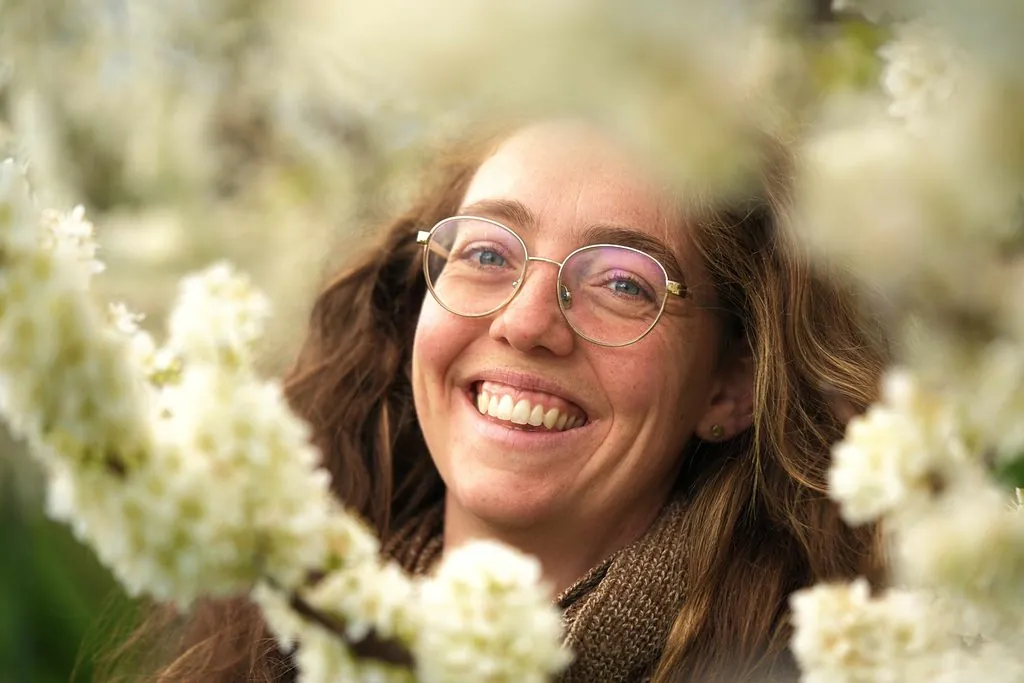
Keeley Bytheway runs Fat Pig Produce from the 1.5 acre market garden at Fat Pig Farm, situated in Glaziers Bay on the lands of the Melukerdee people. Her goal is to grow food with as much consciousness and care for the Earth as possible, providing the local community with food that is nutritiously-dense, seasonal and organic. All produce is sold directly to customers through a CSA-style veggie box program.
The opportunity to establish Fat Pig Produce came about from the generosity and friendship formed with Matthew and Sadie the owners of Fat Pig Farm. Starting out as am employee, Keeley was offered the chance to run the garden as her own enterprise, when the priorities of the farm shifted away from the onsite restaurant. Three years on, and the plethora of support, opportunities and connections that have stemmed from this arrangement, have reinforced Keeley’s belief in the power and potential land-sharing offers in adapting food production to many of the challenges growers and would-be growers face.
chris read
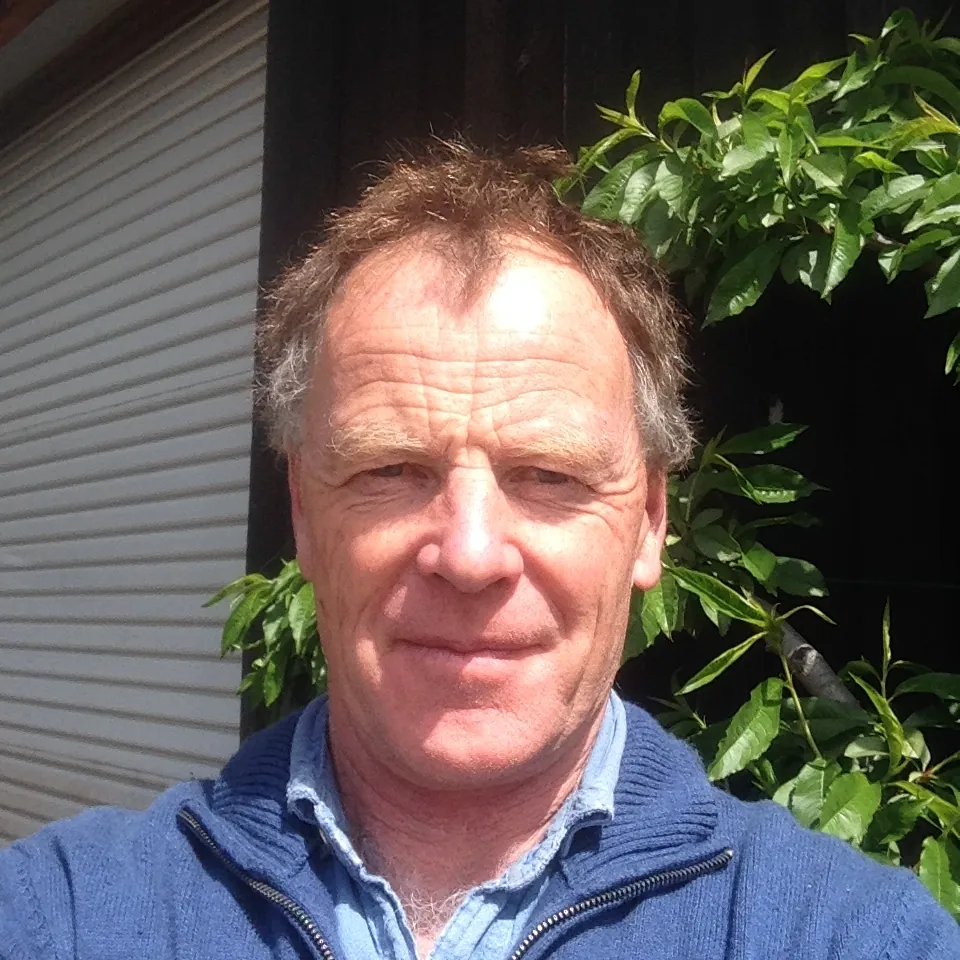
Chris Read runs a property at Birchs Bay, in a district where farming is no longer the mainstay it once was.
Adapting to circumstances, recognising the value in a larger property but trying to meet the challenges of remaining economically viable has led Chris and the business to a complicated blend of viticulture, land management, processing/marketing of Tasmanian Pepper, social benefit projects and resource sharing.
He agonises daily over the future viability of the operation but enjoys exploring synergies and relationships within the rural context as part of a ‘future-proofing’ strategy.
Chris returned to farming and business management after beginning his career as a farm manager in small fruit production and then researcher in essential oils.
uncle rodney dillon
Rodney Dillion is a respected Tasmanian Aboriginal elder in Lutruwita. He has held various leadership roles, championing Aboriginal rights, empowerment and protection of cultural heritage. Rodney is the co-founder of Weetapoona Aboriginal Corporation, which operates Murrayfield farm on Bruny Island. Through Murrayfield and other such enterprises, he aims to build economic self-reliance and cultural pride for Aboriginal communities in Lutruwita.
saideepa kumar
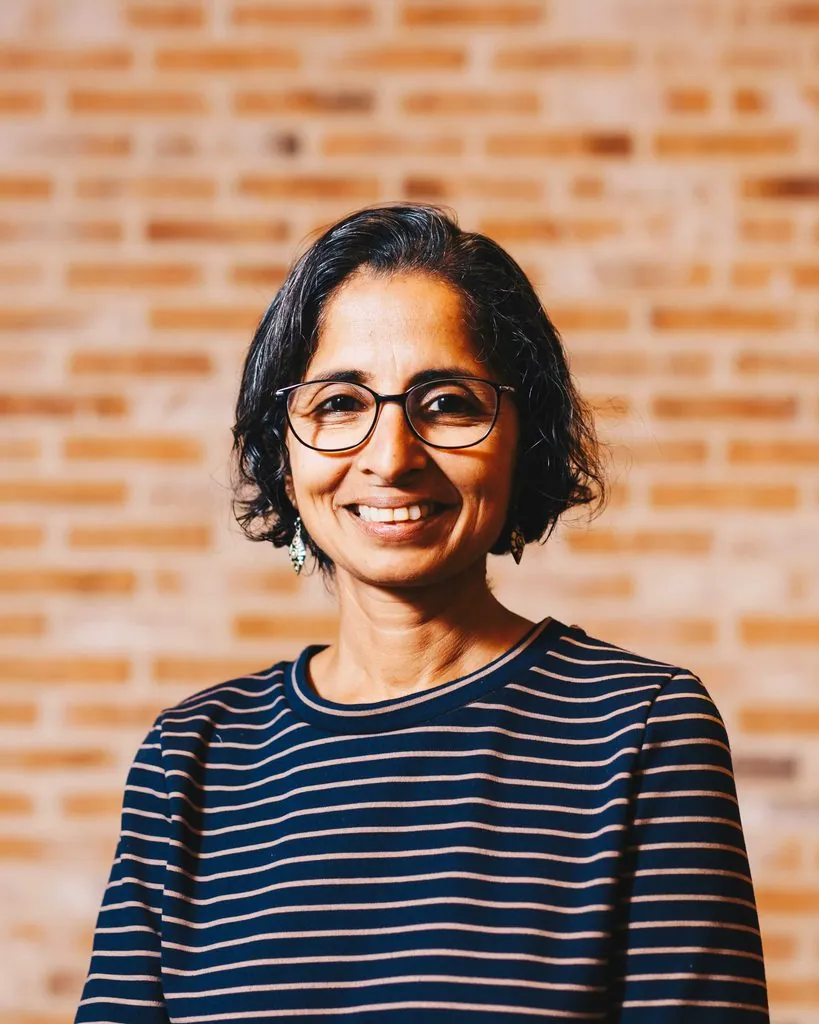
Saideepa (Deepa) Kumar is a Cultural engagement coordinator with the TAS Farm Innovation Hub and TIA. Deepa, and the Hub more broadly, are keen to support efforts within the agricultural sector to build cultural awareness, engage respectfully and create space for Aboriginal people to achieve their aspirations in agriculture with self-determination.
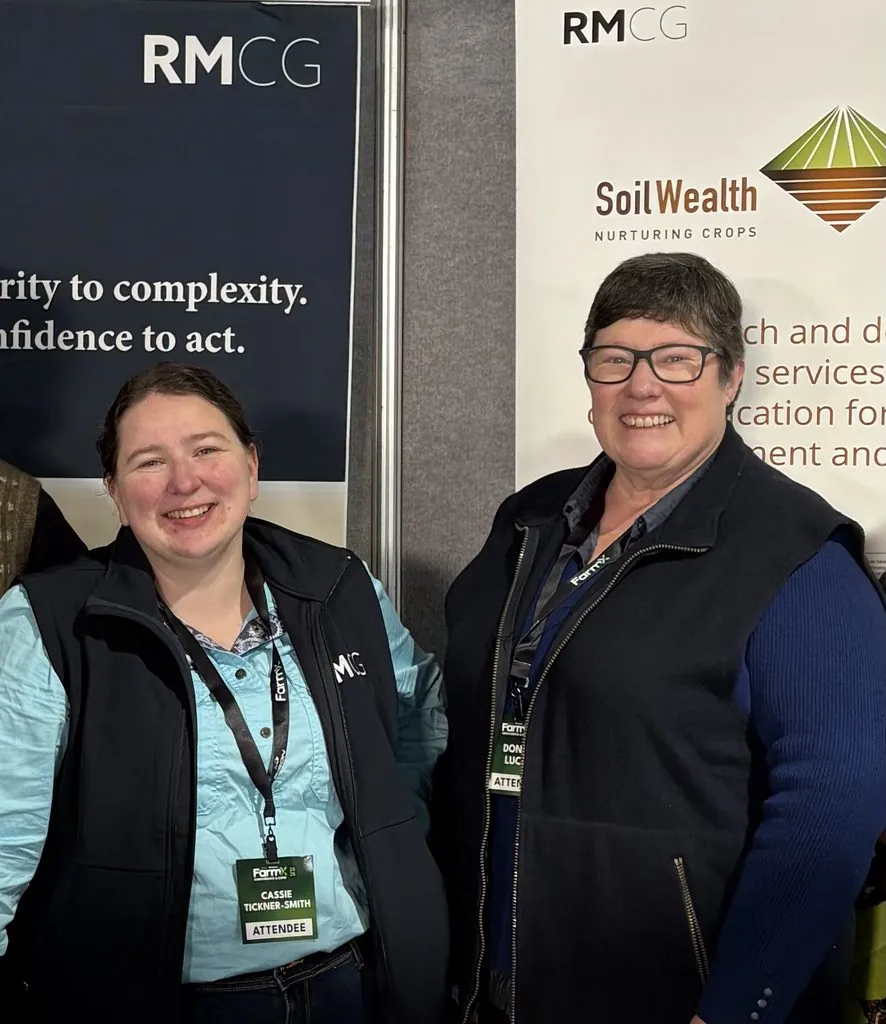
rmcg – donna lucas & cassie tickner-smith
RMCG is a multi-disciplinary consultancy specialising in the fields of environment, water, agriculture, economics and communities. Donna Lucas is a Principal and Agricultural Consultant with a background in accounting, bringing strong understanding of decision making within agricultural systems. Cassie Tickner-Smith is passionate about supporting farmers and farming communities to grow and strengthen. During this workshop they’ll provide practical guidance to build confidence in understanding your figures and to empower informed decision-making.
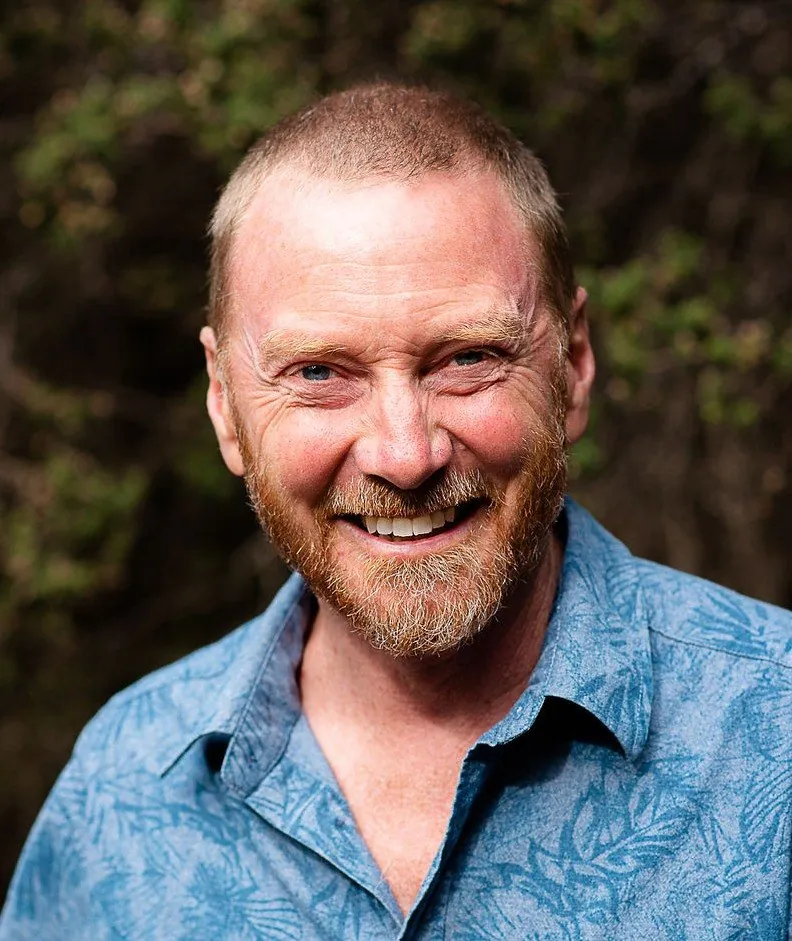
steve willing
Steve is a certified coach and facilitator with 3 decades of experience in guiding leadership, personal development and climate change responsiveness. He has a background in farming, outdoor leadership and organisational development.
Steve’s specialty is nurturing wisdom, which means deepening our self-awareness and growing bigger perspectives. That enables us to build the capacity that is
needed to adapt and thrive in increasing complexity, uncertainty and crises. He delivers coaching and workshops to help people work through fear and eco-grief to purpose, action and adaptation. He also delivers facilitation training. His practical methods are based in evidence from psychology, neuroscience and mindful practices. He has a warm and gentle style which allows comfortable exploration of thinking patterns, feelings, accountability and actions.
Steve has worked with Sprout Tasmania, Tas Farm Innovation Hub, Tas Institute of Agriculture, CSIRO, Tasmania Fire Service, Parks Australia, Tasmanian Leaders, UTAS, Hydro, Vos Construction and many individuals, local councils and state government departments. He lives with his family and dogs near Kunanyi/Mt Wellington and likes to play with mountain bikes, kayaks and skis (when he’s not helping on the family farm).
Using compassionate and evidence-based practical methods, Steve will speak to eco-grief and radical climate acceptance and facilitate a workshop on identifying your purpose and unique contribution to our climate challenge.
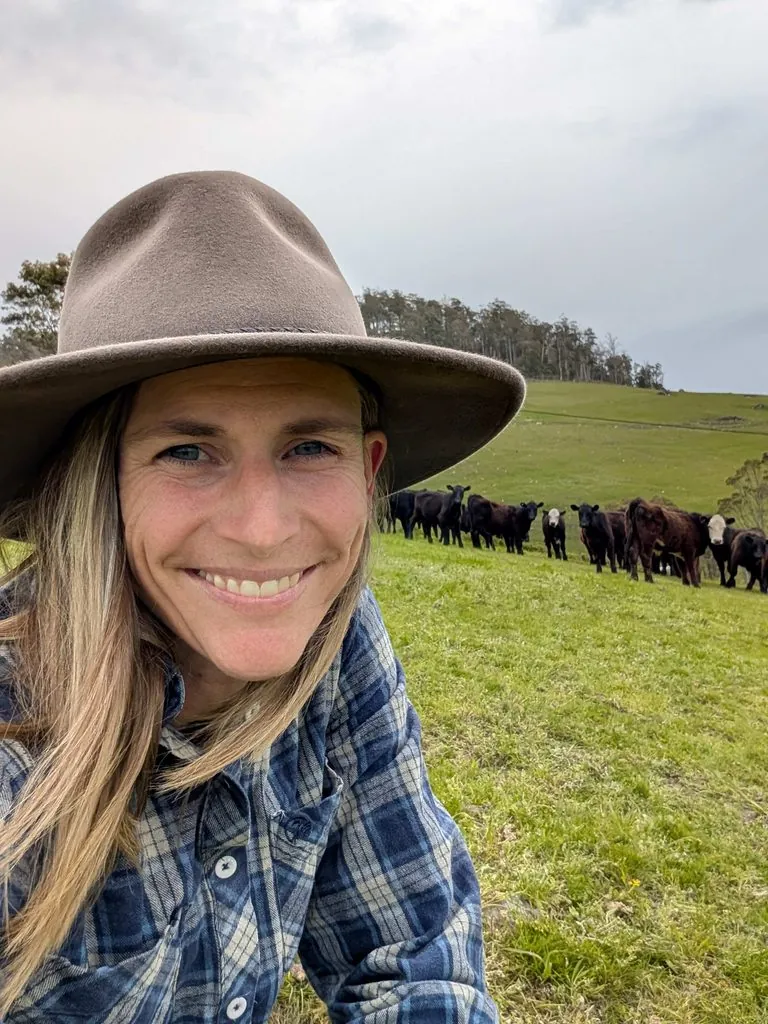
felicity richards
Felicity Richards is a beef producer from northern Tasmania, farming with her husband Mark across the Tamar Valley, North West Tasmania and Flinders Island. A lawyer by training, she returned to farming in 2013 and has since combined life on the farm with a range of roles across agriculture. Felicity is Chair of Farmsafe Australia and a former Chair of the Tasmanian Biosecurity Advisory Committee. She is particularly interested in bridging the divide between farmers and urban consumers.
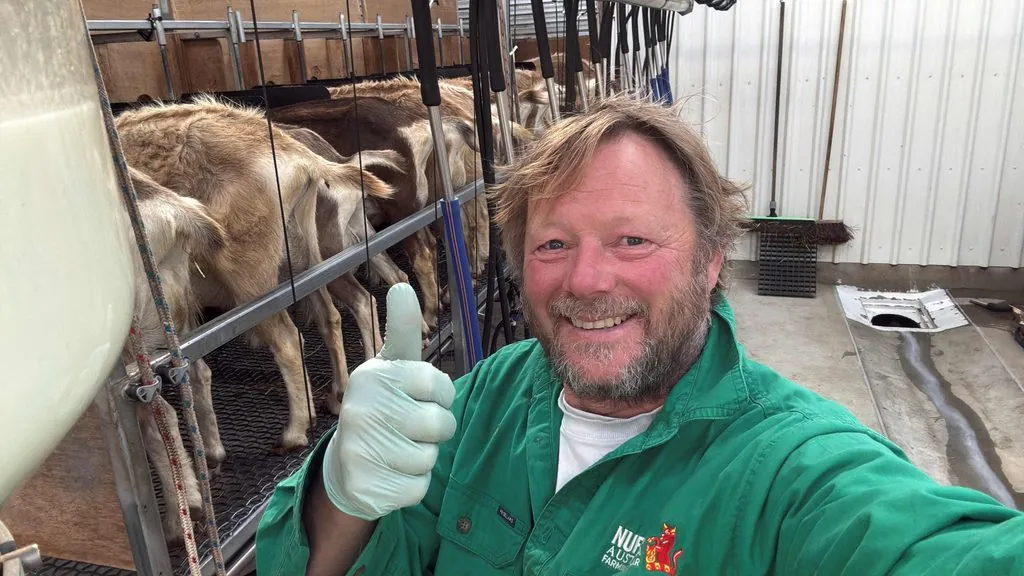
iain field
Iain and Kate Field run Leap Farm, a free-foraging goat dairy and beef cattle enterprise at beautiful Bream Creek in Tasmania’s South East. Their goal is happy lives on healthy country, providing the community with quality goat and aged beef meats alongside Tongola Cheese — their traditional hand-made goats milk cheese — and Leapful Skin Care. Diversity and energy efficiency guide every decision on the farm.
Before swapping lecture halls for paddocks, Iain spent over a decade as an academic ecologist, with fieldwork stretching from the tropics to the poles. That scientific grounding still shapes everything at Leap Farm, from grazing management to habitat protection. As a 2023 Nuffield Scholar, he researched how to increase biodiversity on farms for long-term resilience, and regularly collaborates with the University of Tasmania, industry bodies and stakeholder groups.
Iain speaks often on the practical realities of farming through a changing climate, bridging hands-on land management with evidence-based science — including, in this session, why nature’s own efficiencies might just outperform the efficiencies of scale. He and Kate bring genuine passion and enthusiasm to the farm every single day.
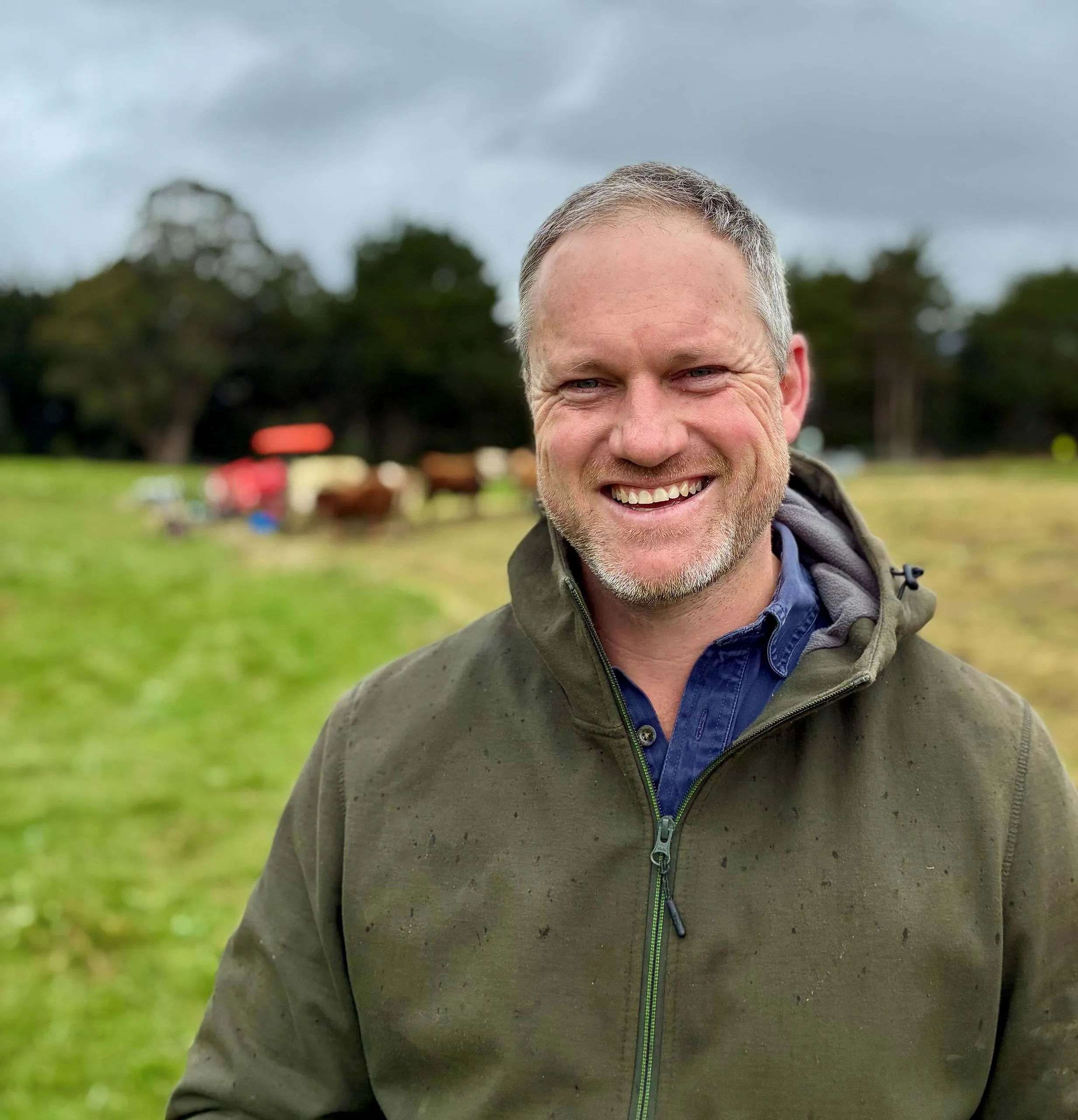
Thomas Botha
Thomas Botha is an Industrial Engineer who, together with his wife, Nanette, and their family Shani, Riko and Dian, runs Appinoka Regenerative Farming in Tasmania’s Huon Valley.
Before settling in Tasmania, Thomas worked on major engineering and infrastructure projects in Australia and internationally. Lean thinking, quality management, systems improvement and continuous improvement were important parts of his work.
At Appinoka, these principles are being adapted to a very different environment: a diversified regenerative farm producing pasture-raised eggs, vegetables, berries, pork and other farm products.
Their goal is to produce food their family loves to eat while developing a farming system that is resilient, efficient and enjoyable to work in.
Thomas’s Lean Farming in Practice workshop will look beyond Lean tools and techniques to explore Lean as a culture and way of thinking. The focus will be on developing a farm where people continually observe, learn, solve problems and improve the way work is done.
Using practical examples from Appinoka, Thomas will explore concepts including respect for people, purpose, flow, identifying waste, learning from problems, creating better systems and building a culture where continuous improvement becomes part of everyday farming.
The aim is not simply to work faster, but to create a culture where better purposeful thinking leads to better work.
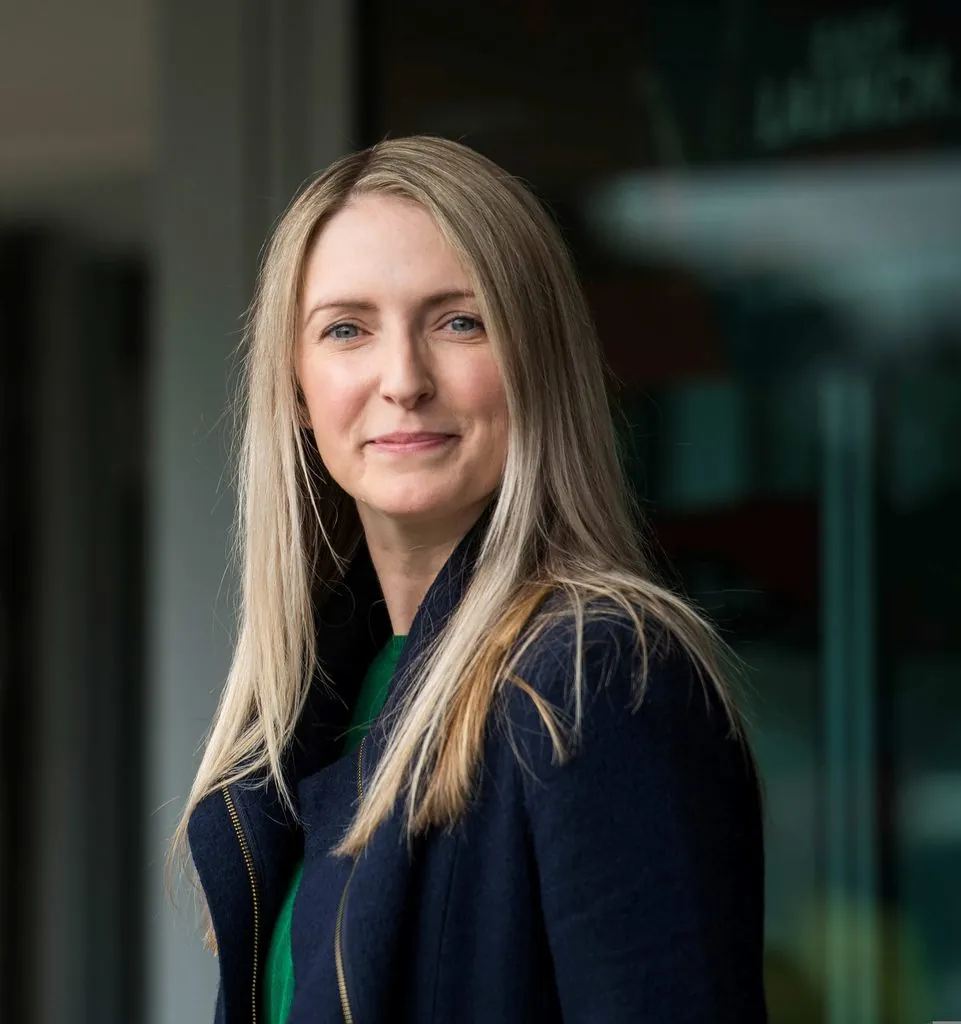
Sarah thomas
Sarah Thomas is the Strategic Projects & Partnerships Officer at Eat Well Tasmania, bringing more than 25 years’ experience across Tasmania’s food, hospitality, tourism, events and marketing industries.
Sarah’s career has been driven by a simple belief: good things happen when people, ideas and resources are connected. She has worked closely with Tasmanian producers and businesses throughout her career, including helping shape the food story for Peppina and more broadly the brand of The Tasman Hotel, ensuring local producers were central to the restaurant’s identity and guest experience.
She has a strong track record of using partnerships to create change. Sarah created the Great Eastern Wine Weekend, bringing East Coast wineries together to address a tourism need period; the event has since evolved into a week-long fixture on the region’s calendar. At Variety Tasmania, Sarah helped grow the School Breakfast Program from a pilot into a broader initiative supporting Tasmanian school communities.
Sarah is passionate about enabling Tasmanian producers to be enabled, visible and loved by Tasmanians, and about creating a food system grounded in connection, collaboration and food justice. She believes education can challenge established systems and inspire the next generation to see opportunity in food and farming.
At the heart of her work at Eat Well Tasmania is a vision where Tasmanians are connected and eating well.
kylie rattray
Kylie Rattray grew up on a mixed family farm in Tasmania’s north-east, where agriculture wasn’t simply an industry, but a way of life. Having spent years gaining a diverse range of education and skills across Australia, Kylie has returned to her agricultural roots and landed a unique role at Scottsdale High School.
The Stronach View Farm campus of Scottsdale High School has grown since Kylie started working there two decades ago, with very exciting opportunities on the horizon using emerging technologies, recently funded virtual fencing trials, and the planned development of a new educational learning centre.
Kylie will speak on an exciting panel called ‘Beyond the textbook – Alternative Approaches to Educating the Farmers of the Future’.
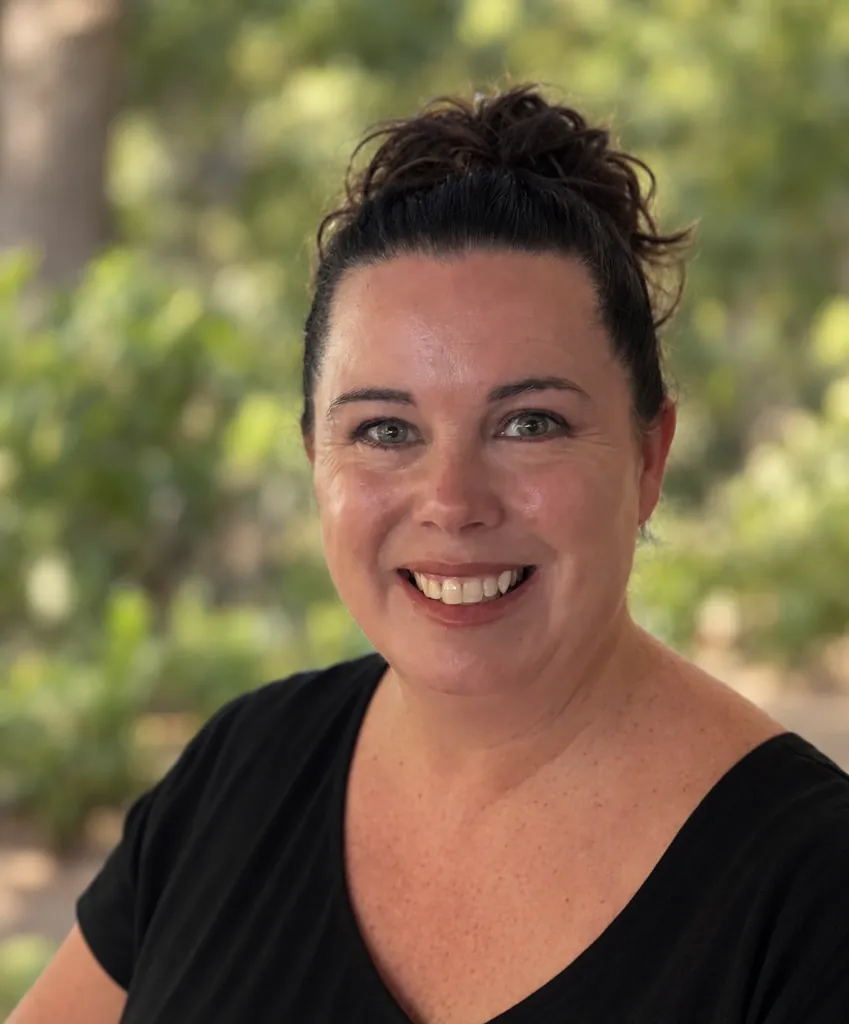
anita long
Anita Long is a Tasmanian farmer, business owner and Churchill Fellow who has built pathways into beekeeping for young Australians. She founded Tasmanian Junior Beekeepers in 2017 and later established Australian Youth Beekeeping, connecting young people with practical education, industry mentors and international opportunities.
Anita hosted Australia’s first national youth beekeeping meeting and has led Australia’s participation in the International Meeting of Young Beekeepers. Her Churchill Fellowship took her overseas to research how youth programs can develop skills and open career pathways. She has also created opportunities for women in beekeeping and coordinated two world-record events.
Anita and her daughter Audrey run the award-winning food business Hive & Cob from their family farm in Tasmania’s Coal River Valley.
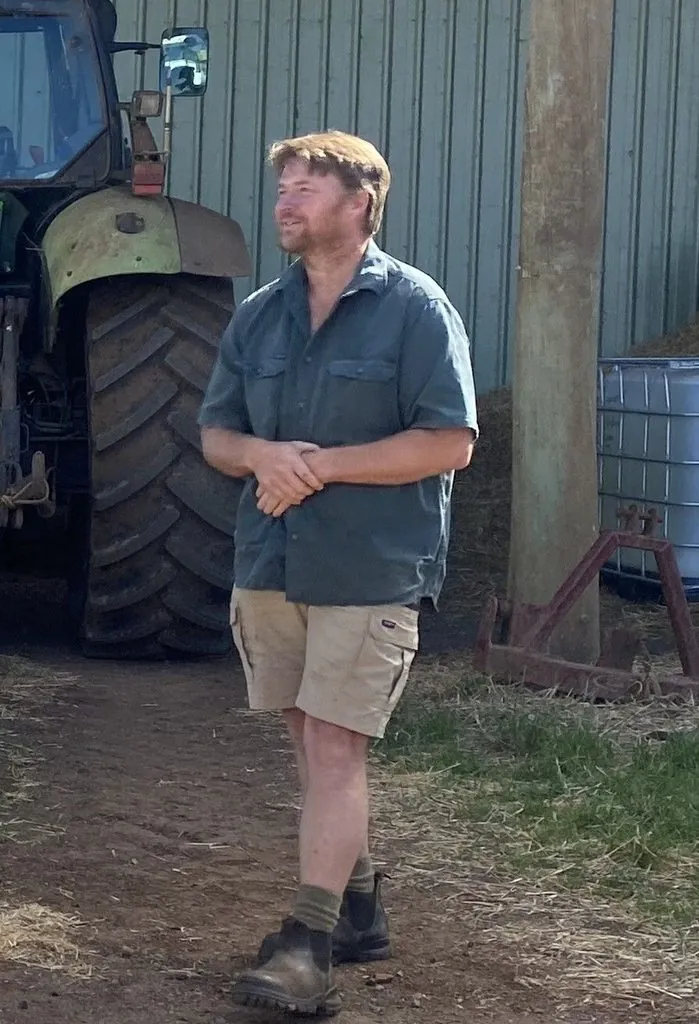
mark lambert
Mark Lambert is a Tasmanian organic dairy farmer, milking 610 cows. 13 years into his career he grew disillusioned with the advice that he was receiving. He started looking for answers from “outside the box”, exploring old literature from before the days of chemical farming, along with information from alternate soil scientists. This inadvertently led him down the path into biological farming and then ultimately, into organic farming.
During this time, Mark and Roslyn and their 10 children went through a health crisis caused by mould and drinking water quality. This reinforced his decision to farm organically/regeneratively and has led him to become somewhat of a purist.
Mark now runs an organic/regenerative consultancy – Living Agricultural Solutions. And loves to share what he has done on his dairy farm. Organic/Regenerative farming isn’t just putting nothing on the land, adding a few herbs and watching production plummet. It is multifaceted and complex, but also simple. A dairy farm done well, is equally as productive as top conventional farms, with good profitability, environmental outcomes whilst providing top quality clean food.
portia whatley
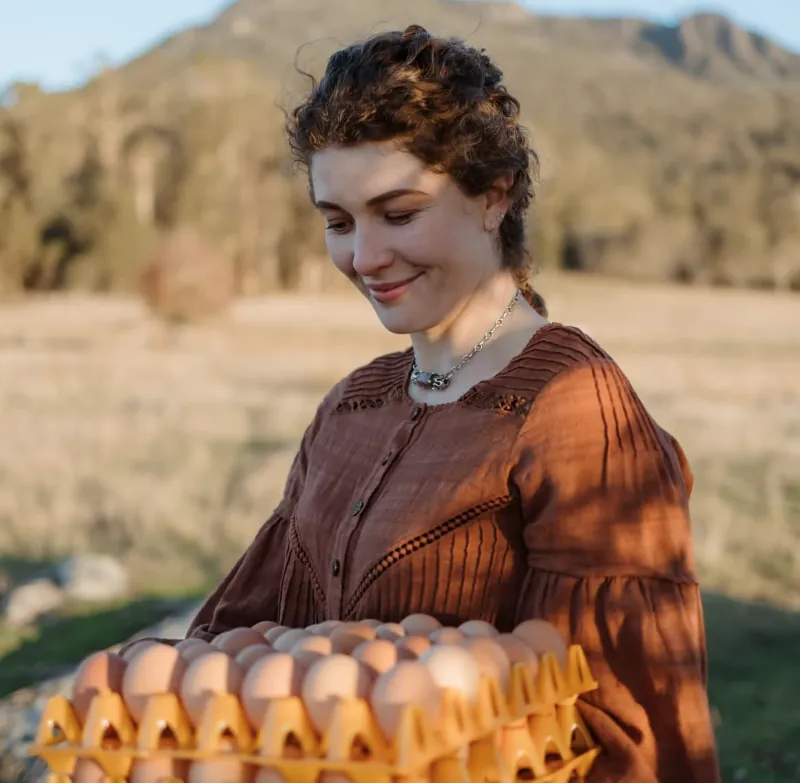
Portia Whatley is a farmer at Golden Valley Harvest, a small farm in Central North Tasmania producing pasture-raised, free-range eggs.
Portia is passionate about high-welfare farming, practical land stewardship and building resilient small-scale farming systems. Through running her farm, she has experienced firsthand the challenges of navigating regulations designed around larger-scale agricultural systems, and the persistence required to advocate for approaches that better reflect the realities of small farms.
tony scherer
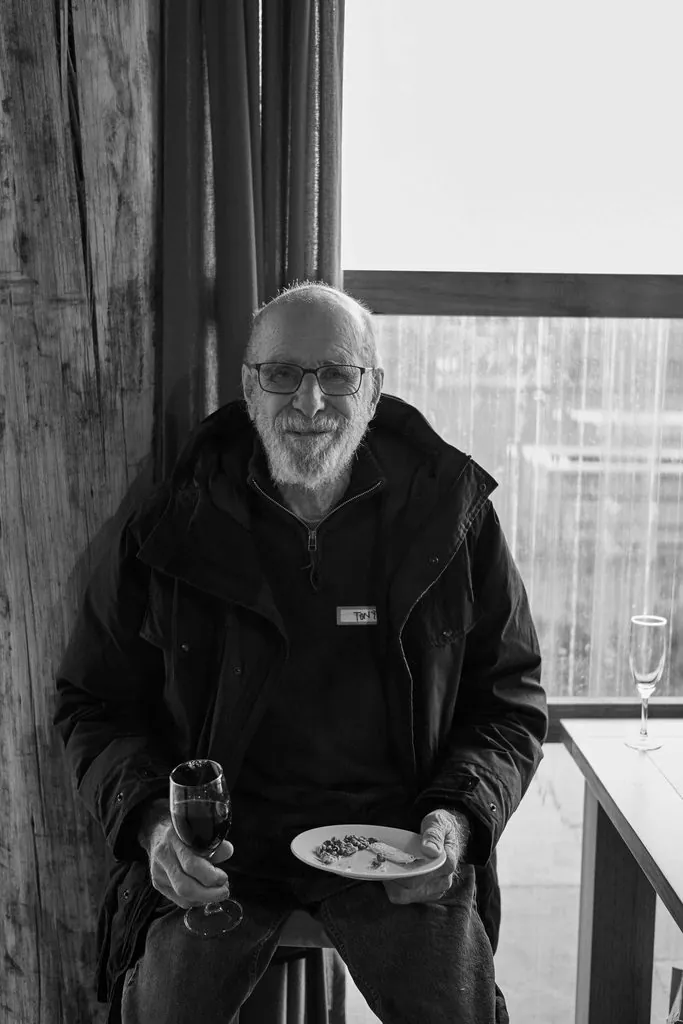
Our beautiful co-founder, Tony Scherer will once again grace the Cross Pollinate stage. Tony grew up amongst the veggie rows, selling his first produce at the age of seven in hometown Santa Cruz, California. Following the launch of an organic farming wholesale business, he moved to Australia in 1990, settling amidst the Coal Valley in Tasmania. Setting his eyes on wine grape production, he became a founding owner and vigneron of then organic vineyard, Frogmore Creek.
When Tony went looking for other like-minded producers, he found them hard to track down. So with the support of Tasmanian Institute of Agriculture graduate and organic pest and disease specialist, Alice Percy, Sprout Tasmania was founded. Tony is recognised as a pioneer of the organic farming movement in Tasmania and for his lifetime commitment to championing local, organic food production.
Tony will join us in welcoming you to Cross Pollinate and share some of his reflections on the challenges and changes of local, biological food production he has experienced throughout his lifetime.
Photo credit: Luke Burgess
daniel lore
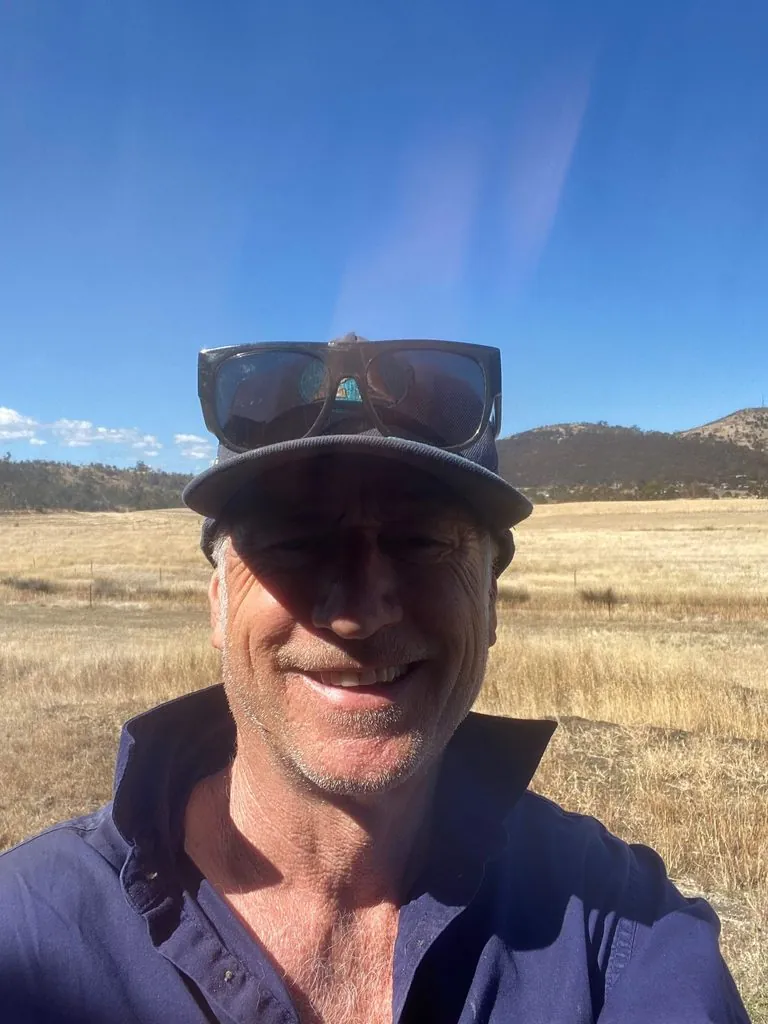
Daniel Lore is the generous steward and venue co-creator of Ripple Farm where this year’s Cross Pollinate conference is being held. Since taking over the custodianship in 2017, the property has been transitioned into regenerative management. An emphasis has been given to restoring ecology and function from deep in the soil to the tops of the trees.
Daniel will share some of his reflections of what he has learnt from the property, the people who guided him and the history of the region as farming aspirations change. You will also have the opportunity to walk with Dan over the farm during our afternoon Gratitude Planting sessions.
yolanda Hanusch
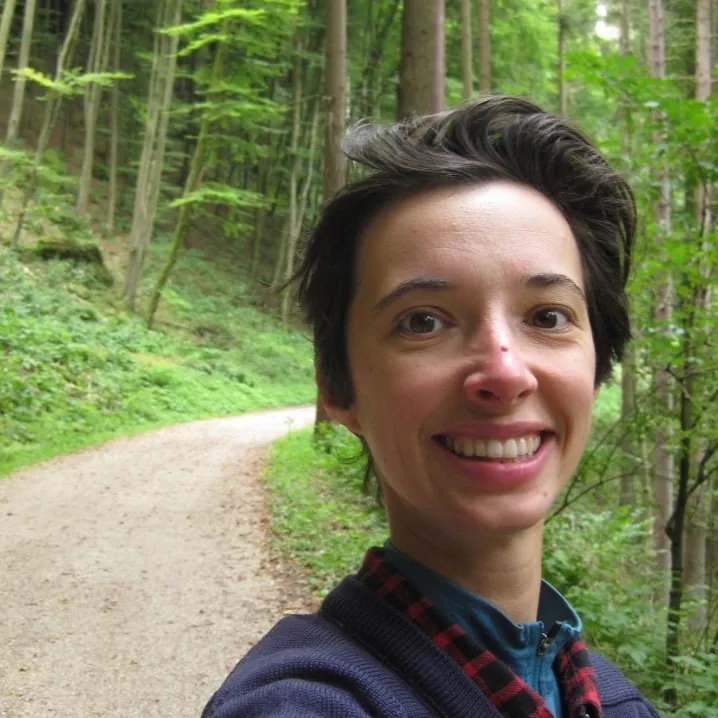
Yolanda has a keen interest in supporting resilient land management in agricultural landscapes, focusing on the conservation and enhancement of ecosystem and biodiversity functions. Her academic background is in entomology and agroecology. Yolanda’s research focus has been in ecological direct-seeding and native tree-planting, as well as beneficial flower-feeding insects in orchards and market-gardens. Yolanda is currently working with NRM South where she supports the delivery of sustainable climate-smart agricultural projects.
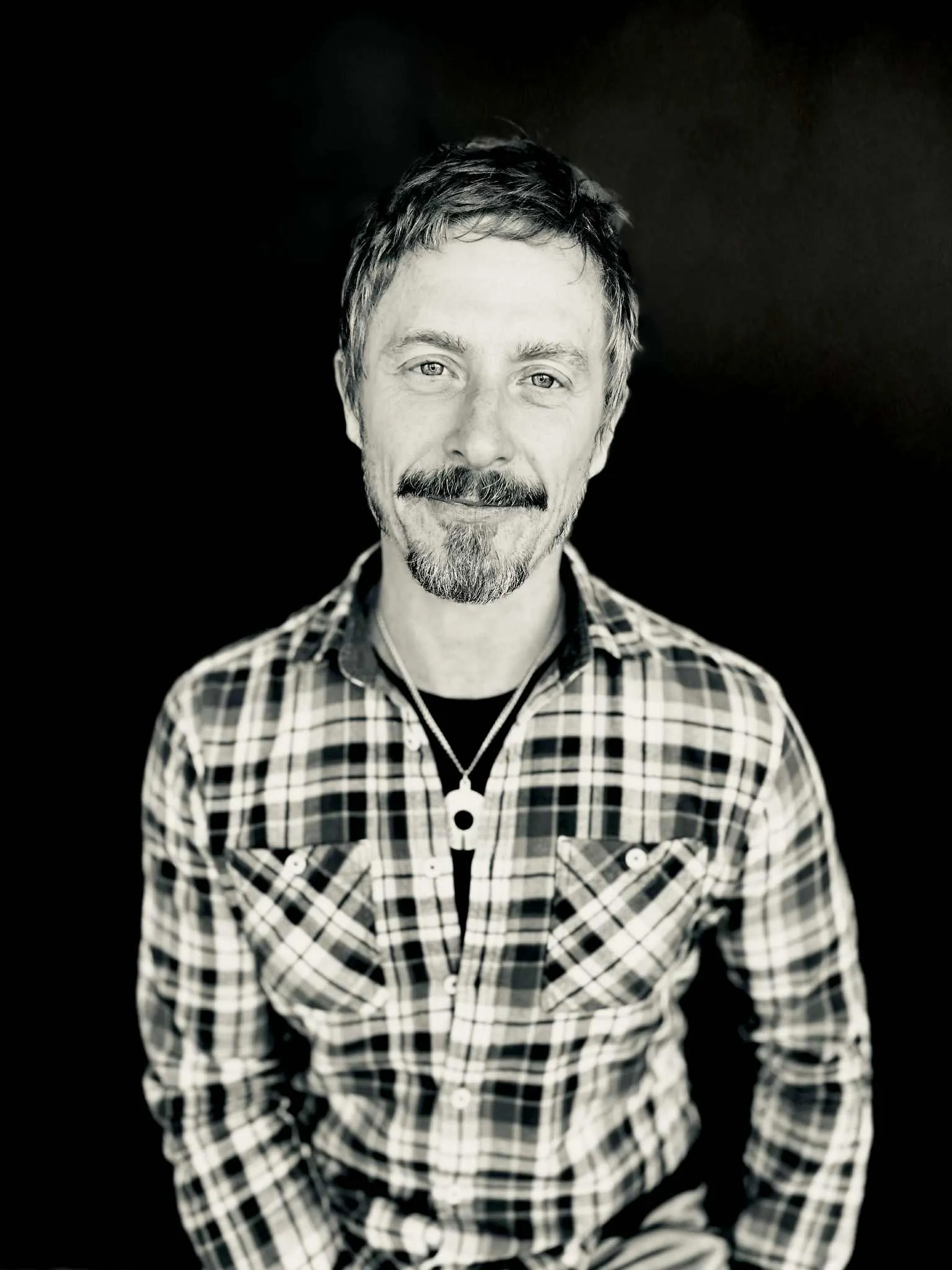
david holman
Dave Holman is a waste and materials management specialist, working in the fields of strategy, project management, and customer and stakeholder engagement. He has held roles at TasWater and City of Hobart and is currently Senior Environmental Consultant at MRA Consulting Group. Off the side of his desk, Dave has a keen interest in community driven solutions to food production and circular resource utilisation. Dave will be hosting a conversation exploring the viability of establishing a place-based solution for the processing and provision of high quality compost.
Panel discussions
common ground – rethinking land access through leasing, sharing and collaboration
Sprout’s Jennifer Robinson talks to Keeley Bytheway and Chris Read on the panel ‘Common Ground – Rethinking Land Access through Leasing, Sharing and Collaboration’. With experiences from two different sides of the alternative land access world, we dive deep into the possibilities that go beyond common land access routes. This panel will showcase the pros and cons of accessing land for farming through sharing, leasing and collaboration.
At the crux of both Keeley’s and Chris’ land access models is a real desire to care for the country that both farmers have the privilege of using. From this discussion, the hope is to encourage more current and future farmers to break into these land access arrangements by looking closer at Keeley & Chris’ great farm-sharing examples.
Beyond the textbook – Alternative Approaches to Educating the Farmers of the Future
The RMCG duo will lead you to consider your farm’s financial performance as well as finding small changes within your business that could have a significant impact on your farm, business, and life.
protecting cultural heritage in agricultural landscapes
Saideepa (Deepa) Kumar is a Cultural Engagement Coordinator with the TAS Farm Innovation Hub and Tasmanian Institute of Agriculture (TIA). Deepa, and the TAS Farm Innovation Hub more broadly, are keen to support efforts within the agricultural sector to build cultural awareness, engage respectfully and create space for Aboriginal people to achieve their aspirations in agriculture with self-determination.
Uncle Rodney Dillon is a respected Tasmanian Aboriginal elder in Lutruwita. Having held various leadership roles championing Aboriginal rights, empowerment and protection of Aboriginal cultural heritage, Uncle Rodney is the co-founder of Weetapoona Aboriginal Corporation at Murrayfield Farm on Bruny Island.
At this year’s conference, Uncle Rodney will have a conversation with Saideepa Kumar from TAS Farm Innovation Hub about protecting Aboriginal cultural heritage within the agricultural landscape and raising awareness around impacts of agricultural actions.
when the rules don’t fit – persistence, advocacy and challenging scale-inappropriate regulation
Felicity Richards, Jennifer Robinson and Portia Whatley join us at Cross Pollinate 2026 to have an open and constructive discussion about regulation and how we can all be a part of leading the change. Join us for this session of ‘When the Rules Don’t Fit – Persistence, Advocacy and Challenging Scale-Inappropriate Regulation’.
workshops
Finding & Making Change – Is there Extra Margin in your Farm Business?
The RMCG duo of Donna Lucas and Cassie Tickner-Smith will lead you to consider your farm’s financial performance as well as finding small changes within your business that could have a significant impact on your farm, business, and life.